
A Smarter Alternative to Costly Divorce Litigation
Divorcio Consciente® — Strategic International Mediation
Dignified separation for families worldwide. Online Divorce Mediation for Spanish-English Speaking Couples Across the United States.
Strategic, structured mediation that protects your children, your finances, and your future.
Resolve your divorce from Spain, fully online, with a clear process designed to reduce conflict and reach realistic, lasting agreements.
Online • Confidential • Neutral support
Ready to start?
Divorcio Consciente®
Not Therapy. Not Legal Fighting. A Strategic Process.
Most divorces fail because they focus only on legal positions or emotional reactions.
Our method Divorcio Consciente® combines:
• Emotional preparation
• Tactical negotiation structure
• Child-focused decision making
• Realistic financial planning
So agreements actually work in real life.
The Traditional Divorce System Creates More Conflict
Litigation often means:
• Months or years of stress
• High legal costs
• Decisions made by a judge who doesn’t know your family
• Lasting emotional damage to children
There is a better way.
The Divorcio Consciente® Method
A structured 3-phase process designed to reduce conflict and build sustainable agreements.
1. Conscious Preparation
The goal: Stabilize before you negotiate. In this mandatory first stage of the Divorcio Consciente® method, we reduce emotional conflict to ensure you are ready to reach fair, lasting agreements.
* Emotional & Strategic Readiness: We move from impulsive reactions to clear, informed decisions.
Bilingual Expert Support: Sessions led online by Maria Jose Bonilla (Mallorca, Spain) in English or Spanish
2. Structured Mediation
The goal: Build viable, pragmatic solutions. We facilitate a structured process to protect your children and your assets without the destruction of a legal battle. Using the Divorcio Consciente® method, we reach agreements that work in the real world.
Children’s Stability: Prioritizing their emotional and vital wellbeing as the core of every decision.
Financial Sustainability: Creating realistic economic plans that protect your future assets
Clear & Realistic Agreements: Direct negotiation in English or Spanish to ensure lasting, sustainable results.
3. Sustainable Agreements
The goal: A solid foundation for your new chapter. We transform your consensus into a clear, realistic, and legally formalizable plan (MOU). We ensure your transition is handled with the utmost dignity.
Financial & Logistic Viability: We verify every agreement to ensure it is sustainable and prevents future conflicts.
Formalization Readiness: Providing a structured Memorandum of Understanding, ready for review by your local lawyers.
Conscious Closure: Finalizing the process with a focus on family stability, emotional peace, and a respectful new beginning.
Children’s Stability Comes First
Our process prioritizes not only emotional wellbeing, but also:
• Financial security
• Stable routines
• Long-term co-parenting cooperation
“Because divorce ends a relationship — not a family”
Who This Process Is NOT For
This mediation approach is designed for people who want clarity, stability, and practical solutions.
It may not be the right fit if:
- You want to “win” against your partner
- You are looking for revenge or punishment
- You refuse to communicate at all
- You expect lifelong financial dependency
- You prefer to let a judge decide your future
If you are ready to protect your future — and your children’s stability — this process is designed for you.
About Your Mediator
María José Bonilla: International Strategic Mediator
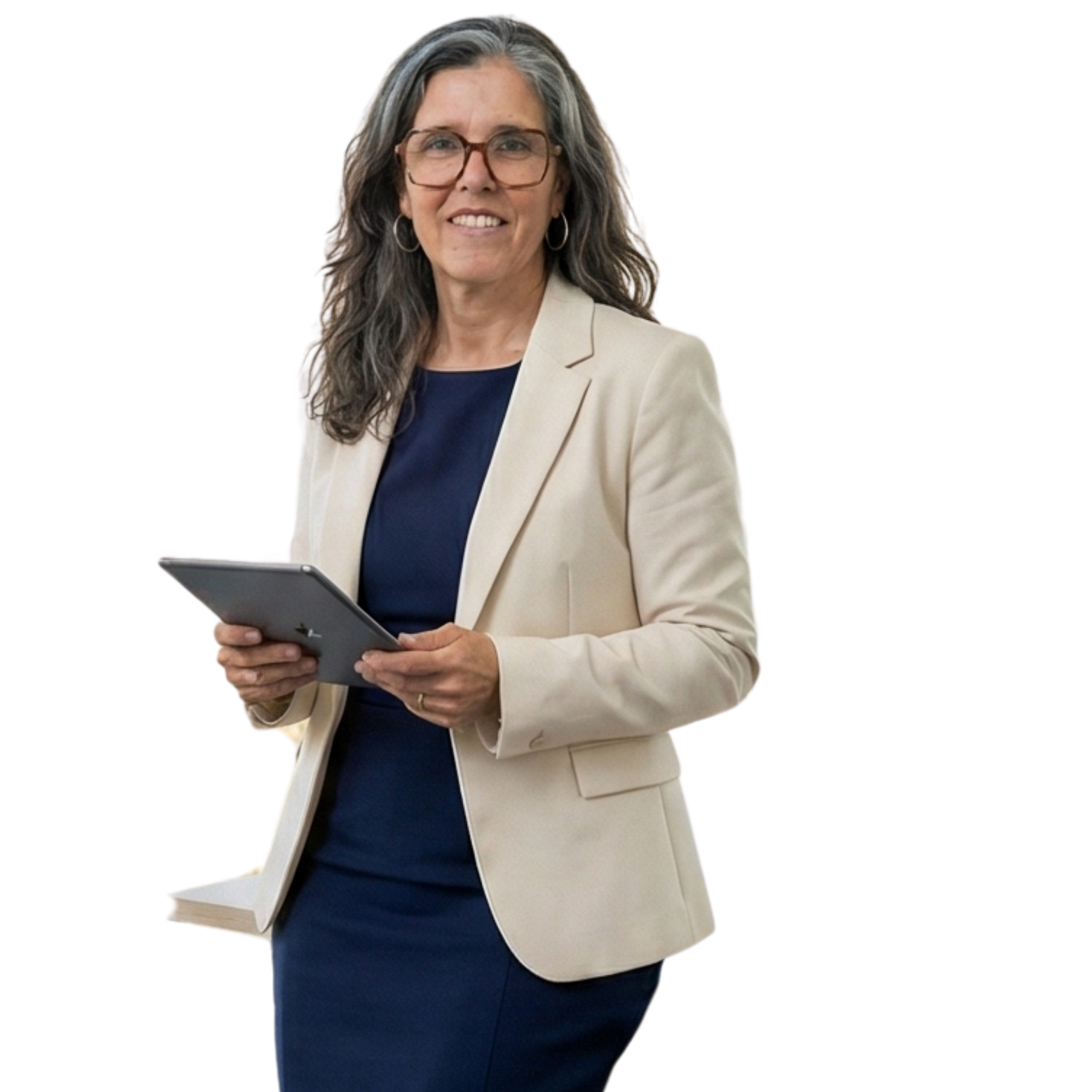
Creator of the Divorcio Consciente® Method, María José Bonilla is an internationally trained mediator based in Mallorca, Spain, working with families across the United States through secure online mediation.
She holds a 380-hour Master’s Degree in Civil, Commercial, and Family Mediation and is officially registered as a mediator with the Spanish Ministry of Justice.
Fully bilingual in English and Spanish, she specializes in helping international and multicultural couples navigate divorce with clarity, structure, and emotional intelligence.
Her work focuses on:
• Reducing conflict and emotional escalation
• Helping both parties regain control of decisions
• Structuring fair, practical agreements
• Protecting family dignity during separation
She does not provide legal advice.
Instead, she facilitates strategic negotiation so both parties can reach clear, sustainable agreements before involving attorneys or courts.
Are you a lawyer?
No. I am not an attorney and I do not provide legal advice.
I am an internationally trained divorce mediator.
I hold a 380-hour Master’s Degree in Civil, Commercial, and Family Mediation from Universidad Europea Miguel de Cervantes, and I am officially registered in the spanish Registro de Mediadores del Ministerio de Justicia.
My professional credentials can be independently verified at any time.
My role is to:
• Facilitate communication
• Structure negotiations
• Help both parties reach mutual decisions
• Reduce conflict and emotional stress
If legal review is needed, you are always free to consult a licensed attorney.
If you are not a lawyer, how can you help with a divorce in the U.S.?
Divorce mediation is not about giving legal advice—it is about helping couples reach agreements.
Once we create a Memorandum of Understanding (MOU), either party can take it to a U.S. attorney to be converted into legally binding documents and filed with the court.
This is a standard and widely used mediation process in the United States.
Is a mediation agreement prepared by an international mediator valid in U.S.?
Yes. A mediator does not need to be licensed as an attorney to facilitate agreements.
What matters is:
• Both parties participate voluntarily
• The agreement is mutual
• It is later formalized by a local attorney if required
Many mediation processes in the U.S. work exactly this way.
Do both spouses have to agree to mediation?
Yes. Mediation only works when both parties are willing to:
• Communicate respectfully
• Explore solutions
• Work toward a fair agreement
If one person is unwilling to participate, mediation may not be appropriate.
Is mediation only for couples who get along well?
Not at all. Most couples start mediation with:
• High conflict
• Communication breakdown
• Emotional tension
Mediation provides a structured and neutral space to move forward constructively.
What types of issues can mediation help resolve?
Mediation focuses on practical solutions rather than legal battles.Mediation can help with:
• Parenting arrangements
• Financial agreements
• Property division
• Communication planning
• Cross-border family situations
Do you work with international or multicultural couples?
Yes. I specialize in:
International marriages
Cross-border divorces
Same-sex couples & LGBTQ+ families
Multicultural family dynamics
Spanish-speaking couples living in the U.S
International marriages
Cross-border divorces
Same-sex couples & LGBTQ+ families
Multicultural family dynamics
Is everything discussed in mediation confidential?
Yes. Confidentiality is a core principle of mediation.
What is shared during sessions remains private and cannot be used in court proceedings.
How long does the mediation process usually take?
Every case is different, but most processes take:
Between 3 and 8 sessions, depending on:
• Complexity of issues
• Level of conflict
• Willingness to cooperate
Who is mediation NOT suitable for?
Mediation may not be appropriate when:
• There is ongoing abuse or coercion
• One party refuses to participate
• One party wants to “win” rather than resolve
In such cases, legal representation may be more appropriate.
Why choose mediation instead of going directly to court?
Mediation help couples:
• Reduce emotional stress
• Maintain control over decisions
• Protect children from conflict
• Save time and legal costs
• Preserve long-term co-parenting relationships
Mediation services are not legal services and do not replace independent legal advice.